
Health Library / Training
This content is for education only and is not medical advice. I'm a fitness coach, not a physician. Talk to your doctor before starting any medication, hormone, supplement, or new exercise program, especially if you have a medical condition or take prescriptions.
If I could get every client over 45 to take one supplement, it'd be this one, and it costs about fifteen dollars a month.
That's an unusual sentence from me. I'm generally the guy telling you the supplement aisle is selling you hope. Creatine is the exception, and it's the exception because of the sheer volume of research behind it — hundreds of human trials going back decades. There isn't a second-place finisher in sports nutrition. It's not close.
And most people over 45 think it's for twenty-year-olds trying to get big.
Your muscles hold a small energy reserve for short, hard efforts — the first few seconds of a heavy set, standing up fast, catching yourself. Creatine increases the size of that reserve.
That's it. It's not a hormone, it's not a stimulant, and it doesn't do anything dramatic on its own. What it does is let you get slightly more out of each hard set. One or two more reps. Slightly more load. Repeated across a year of training, that compounds into real strength and muscle you wouldn't otherwise have.
You also make it yourself and eat it in meat and fish. Supplementing just tops up the tank.
The whole problem after 45 is that building muscle gets harder and losing it gets easier. Anything that makes your training slightly more productive is worth more to you now than it was at 25, when you could grow from a stiff breeze.
There's also a second line of research that's genuinely interesting: your brain uses the same energy system, and there's work looking at creatine and cognition in older adults, and in people who are sleep-deprived or under stress.
I want to be careful here, because this is where the marketing is running ahead of the evidence. The brain findings are early. Some trials show something, some don't, and the effects are modest. It's a promising area, not an established benefit. If somebody sells you creatine as a memory supplement, they're ahead of what's been shown. Take it for your muscles; if the brain research pans out, that's a bonus you were already getting.
Creatine monohydrate. That's the form nearly every study used. It's also the cheapest, which tells you something about how the fancier versions are positioned — hydrochloride, buffered, liquid, "advanced absorption." They cost more and none of them has shown a meaningful advantage over plain monohydrate. This is one of the few places in the supplement world where the cheap option is the researched option.
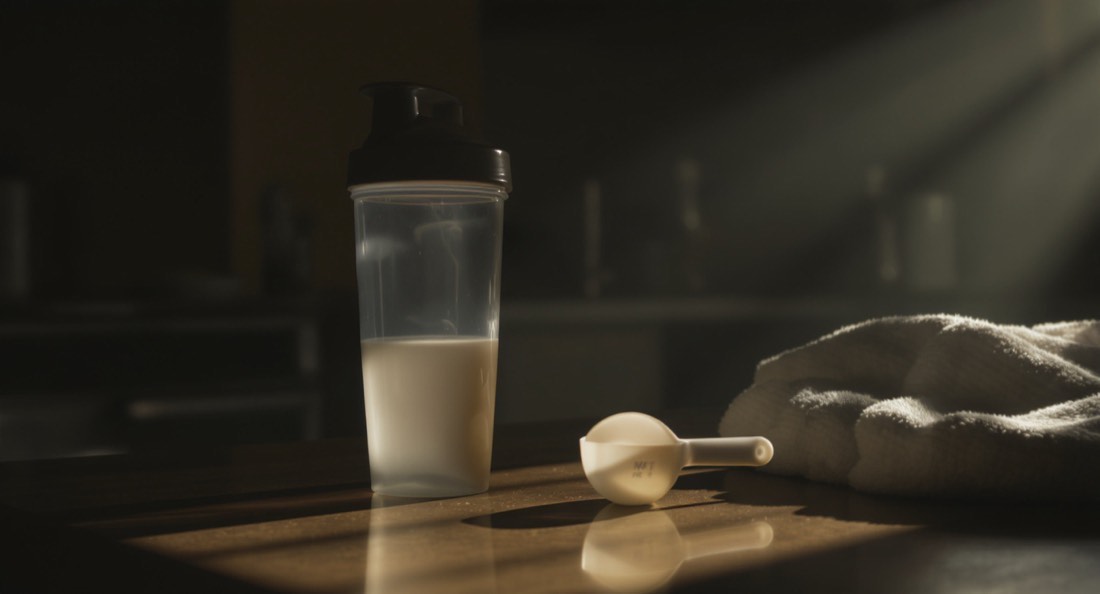
The amount used in the research is small — a few grams a day, which is what the scoop in the tub is sized for. Daily and consistent matters more than timing. Taking it with food is fine. Skipping a day isn't a crisis.
Buy third-party tested. Supplements aren't pre-approved for safety or accuracy before they hit the shelf, so the certification is your only real check that the tub contains what the label says. Look for NSF Certified for Sport or USP on the container. It's not a marketing badge, it's the whole quality control system for this category.
If you have kidney issues, ask your doctor first. In healthy people the kidney worry hasn't held up in the research. But if you have existing kidney disease, that's a conversation to have before you start, not after.
It can confuse a lab result, and this one catches people out. Creatine raises creatinine in your blood — different substance, similar name — and creatinine is one of the markers used to assess kidney function. So a perfectly healthy person on creatine can get a lab result that looks mildly off, and end up in a worried phone call about their kidneys.
The fix is simple: tell your doctor you take creatine, ideally before the blood draw. Then they can read the number in context. I've seen this cause unnecessary alarm more than once and it's completely avoidable.
You'll probably gain a couple of pounds in the first weeks. That's water drawn into the muscle, it's expected, and it's not fat. The scale will annoy you. Ignore it.
You won't feel it the way you feel caffeine. The benefit shows up in your training log over months, not in how you feel on Tuesday. That's what a real supplement looks like, and it's why the ones that promise a feeling are usually selling you a stimulant.
Last updated September 30, 2026