
Health Library / Longevity tech
This content is for education only and is not medical advice. I'm a fitness coach, not a physician. Talk to your doctor before starting any medication, hormone, supplement, or new exercise program, especially if you have a medical condition or take prescriptions.
Everything in the previous few modules happens at a clinic. This one is about what people buy for the house, because the biohacking world has produced an enormous amount of gear and some of it is genuinely worth the money.
I'll go in order of how much I'd actually recommend it.
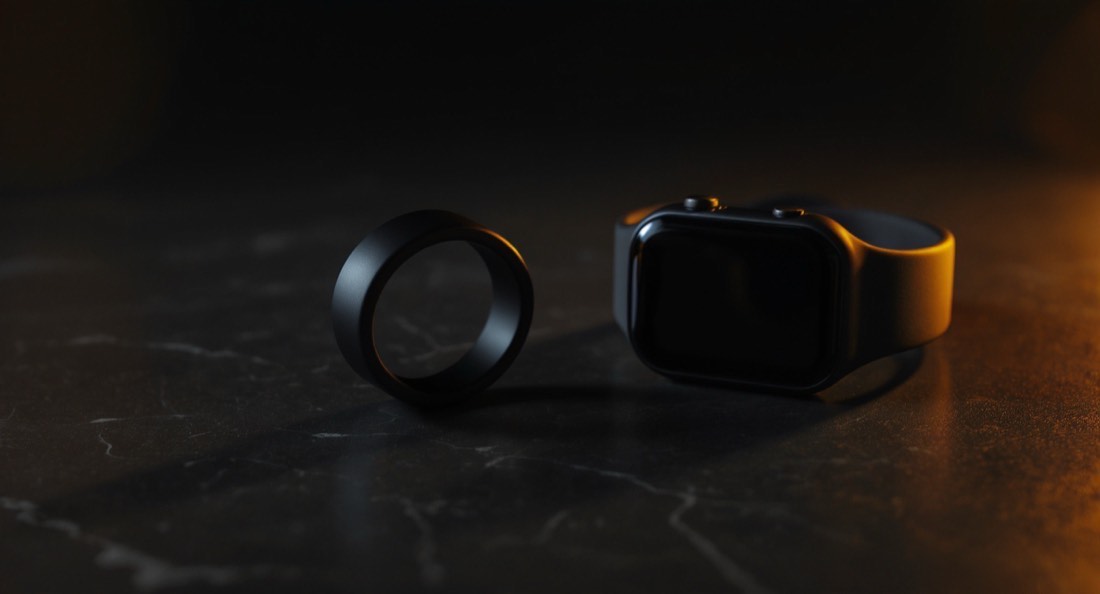
A sleep-tracking wearable. Ring or watch. The tracking isn't the point — the behaviour change is. People who start measuring sleep start protecting it, and that's worth more than any supplement in this library.
Be clear about what you're getting. Sleep duration is reasonably accurate. Sleep stages — how much deep, how much REM — are estimates inferred from movement and heart rate, and they disagree meaningfully with a proper sleep lab. Don't get attached to your deep sleep number. Watch the trend, not the nightly score.
The one genuinely clinical feature: several consumer watches have
FDA-cleared atrial fibrillation detection, and it has caught real cases in people who had no symptoms. That's a legitimate medical function on a consumer device, and it matters more as you get older.
A blood pressure cuff. Thirty to sixty dollars. Knowing your own trend beats one reading a year taken while you're mildly stressed about being at the doctor. For anyone over 45 this is the best health purchase per dollar there is.
A decent scale, used correctly. Same time, same conditions, and watch the weekly average rather than the daily number. If it does body fat percentage by sending a current through your feet, treat the absolute figure as unreliable and look only at the direction over months.
A tape measure. Free, and a better instrument for what matters after 45 than the scale.
Sauna. The strongest evidence in the recovery category — see its module. Home infrared units have come way down in price. Traditional and infrared aren't identical; the Finnish research everyone quotes was traditional.
A cold tub, or a bath and ice. Real effects. Read the timing warning in the recovery module — cold right after lifting may blunt the adaptation you trained for.
A rower or bike. Boring answer. Beats every gadget on this list for actual health outcomes.
Red light panels. The mechanism is real — specific wavelengths affect mitochondrial function — and the skin evidence is the strongest part. Muscle recovery evidence is smaller and mixed. The claims on the boxes stretch far past the research, and panels run from a couple hundred to several thousand with wildly varying power output and questionable specs. Pleasant, probably does something for skin, not a health transformation.
PEMF mats. Pulsed electromagnetic fields. There's an FDA-cleared medical application for certain bone healing, which is the legitimate anchor the consumer market is tethered to. The extension to sleep, recovery, pain and general wellness is much thinner. People find them relaxing. Price ranges from a few hundred to genuinely absurd.
Compression boots. Modest support for perceived soreness. Comfortable, not transformative. If you'd use them while watching TV and it keeps you off your feet for twenty minutes, fine.
Massage guns. Work about as well as a foam roller for a fraction of the effort, which is a real advantage. Temporary relief, no lasting tissue change.
Vibration plates. Some research in older adults on balance and possibly bone, which is more than I expected when I looked. Not a replacement for loading. If you have one, stand on it and do something useful.
EMS abdominal devices — the belts that contract your muscles electrically. The contraction is real. Building meaningful strength or changing body composition this way is not what the evidence supports, and it doesn't touch the fat over the muscle.
Grounding and earthing products. The claims outrun the evidence by a wide margin.
Anything marketed with "scalar," "quantum," or "frequency" in the physics sense. Those words are doing marketing work, not describing a mechanism.
Structured or hydrogen water. No.
Two failure modes worth naming, because I've watched both.
Orthosomnia — anxiety about your sleep score that makes your sleep worse. It's a documented phenomenon. If you wake up feeling fine and the ring says you slept badly, believe yourself, not the ring.
Recovery score as an excuse. If a number tells you not to train, and you're training twice a week, the number is wrong more often than you are. These scores are estimates built on population averages. Use them as one input, not permission.
The value of a wearable is almost entirely that it makes you pay attention. The specific numbers are less accurate than they look, and that's fine as long as you know it.
Blood pressure cuff. A sleep tracker you'll wear. A tape measure. Then, if there's money left and you'll genuinely use it, sauna access.
That's under a few hundred dollars for the first three and it covers more ground than four thousand dollars of panels and mats. The gear is fun and some of it helps. None of it is where the results come from.
Last updated September 30, 2026