Health Library / Hormones
This content is for education only and is not medical advice. I'm a fitness coach, not a physician. Talk to your doctor before starting any medication, hormone, supplement, or new exercise program, especially if you have a medical condition or take prescriptions.
A woman came to me at 54 convinced she'd missed her window. She'd read that after menopause you can't really build muscle anymore, so what was the point.
That's wrong, and it's a particularly expensive kind of wrong, because the years right after menopause are when strength training does the most good and the fewest women are doing it.
Perimenopause is the stretch before the finish line and it can run for years. Cycles get unpredictable, sleep breaks up, mood swings, temperature swings. Plenty of women find this stretch harder than what comes after, partly because it's the part nobody warned them about.
Then estrogen drops and stays down. Two consequences matter for what we do in the gym.
Bone. Estrogen protects bone, and when it goes, bone loss accelerates sharply — the first handful of years after menopause are the fastest you'll ever lose it. That's not a slow background process. That's a window.
Muscle. Maintaining muscle gets harder. Not impossible. Harder. Which means the training that was optional at 40 is load-bearing at 55, in both senses of the phrase.
In 2002 a large trial called the Women's Health Initiative reported findings that stopped hormone therapy in its tracks. Prescriptions collapsed. A generation of women were told it was dangerous, and a generation of doctors stopped offering it.
What happened afterward is the part that didn't make the news. Researchers went back through that data and found the picture was more complicated than the headline. A big factor was who was studied — the average participant was well past menopause, considerably older than the women who typically start therapy for symptoms. The risk picture looks different for a woman starting near the onset of menopause than for one starting fifteen years later. That's often called the timing hypothesis, and it reshaped how specialists think about this.
I'm not telling you hormone therapy is safe for you. I have no idea, and neither does anyone who hasn't seen your history. What I'm telling you is that if you were handed a flat "it causes cancer, don't" sometime in the 2000s and closed the book, the book has moved, and it's worth reopening with someone current.
Your personal history drives this and nothing else does. A history of blood clots changes it. Breast or uterine cancer changes it. Heart disease and stroke risk change it. Family history matters. How far past menopause you are matters. What symptoms you actually have, and how much they're costing you, matters.
No article sorts that out. No supplement aisle sorts that out. This belongs with an OB-GYN or a menopause specialist — and I'd push for someone who treats a lot of menopause specifically, because this is a field where being current makes a real difference.
On "bioidentical" — that word does a lot of marketing work it hasn't earned. It gets used to imply natural, and therefore gentle, and therefore safe. Some hormone preparations described that way are FDA-approved products your pharmacist dispenses. Others are custom-compounded in ways that aren't held to the same standards, including for how much active hormone is actually in the dose. "Bioidentical" on its own tells you almost nothing about safety. Ask what specifically is being prescribed and whether it's an FDA-approved product.
On testosterone for women — women make and need testosterone, levels fall with age, and it does get prescribed. Be aware that in the US there is no FDA-approved testosterone product made for women, so this is off-label territory, and it's another reason you want a specialist rather than a storefront.
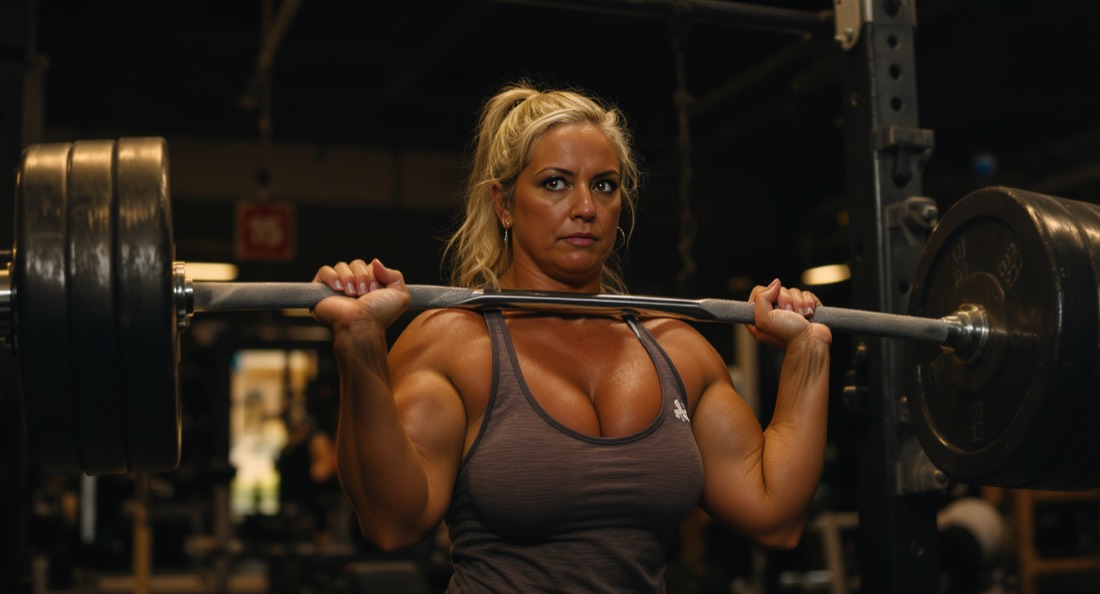
Whatever you decide about hormones, lift. Bone responds to load. Muscle responds to load. Balance responds to practice. Those things work in postmenopausal women — that's been tested directly in this exact population, including protocols using real weight, not pink dumbbells.
The women I've worked with who did best through this stretch weren't the ones who found the perfect hormone answer. They were the ones who kept showing up while they figured it out.
Last updated September 30, 2026