
Health Library / Training
This content is for education only and is not medical advice. I'm a fitness coach, not a physician. Talk to your doctor before starting any medication, hormone, supplement, or new exercise program, especially if you have a medical condition or take prescriptions.
Most people over 45 don't fail at training because their program was suboptimal. They fail because they built a program for a life they don't have.
Six days a week is not a better plan than three if you can only do three. It's a plan you'll abandon in March.
So start from the constraint.
Not a good month. A bad one — work busy, someone sick, travel.
Two full-body sessions a week is genuinely enough to build strength and hold muscle. It is not a consolation prize; it's a real training week.
Three is the sweet spot for most people in this bracket. Enough to progress properly, enough recovery, fits around a life.
Four works if you're recovering well and enjoy it.
Beyond that, for someone over 45, you're usually buying diminishing returns at rising injury and recovery cost. Adaptation happens between sessions, and that process doesn't speed up to match your enthusiasm.
The main structural finding worth knowing: training a muscle group about twice a week tends to beat once, at matched total work. Spreading the same volume across two sessions beats one brutal session.
Which makes the choice simple:
Two days → two full-body sessions.
Three days → three full-body, or upper/lower/full.
Four days → upper/lower, twice each.
Full-body is underrated for this age group. You hit everything twice, and missing one session out of three costs you far less than missing your only leg day.
Cover the patterns, not the muscles:
A squat or leg press. A hinge — deadlift variation, hip thrust, good morning. A push — press, either overhead or horizontal. A pull — row or pull-down. A carry or core piece. Something for the glutes and something for the rotator cuff, because those two quietly determine whether your hips and shoulders stay happy.
That's six or seven movements and about 45 minutes. You don't need more.
The research points at something like ten or so hard sets per muscle group per week as a solid working range for growth, with useful results from less and diminishing returns well before the very high numbers.
What matters more than the number: the sets have to be hard. Three sets taken close to genuine effort beat six comfortable ones. Most people under-train intensity and over-count volume.
Everything above is scaffolding. The thing that produces results is that the work gets harder over time.
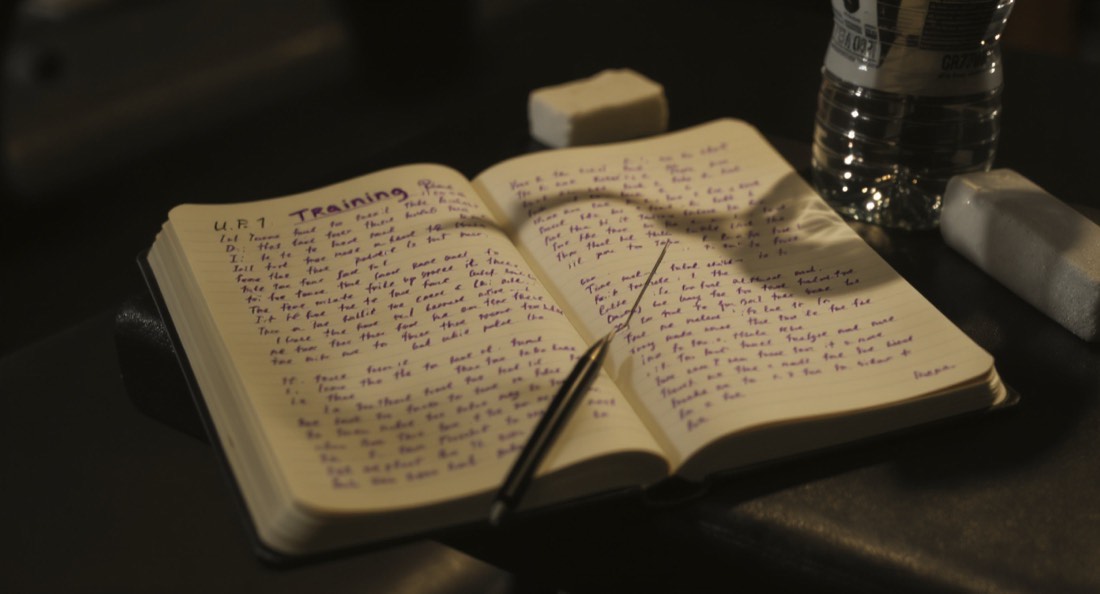
Add a little weight when you can complete your target reps with control. When weight won't move, add a rep. When neither will, slow the tempo or shorten the rest. Keep a log — memory is a bad record and the log is what turns training into progression.
Expect this to be slower than it was at 30. Small, boring, consistent increments over a year beat a heroic six weeks.
Every fourth to sixth week, cut the volume meaningfully for a week and keep moving. Not time off — lighter.
People who never back off spend years at the same numbers and eventually get hurt. Read the stress module: your training load and your life load draw from the same account, and a bad quarter at work is a reason to deload, not to push harder.
Two to three hours a week of easy aerobic work, plus one harder session — see the cardio module. Put it on non-lifting days if you can, or after lifting on the same day if you can't. Don't let it replace the lifting; they do different jobs.
Three days. Full body. Six or seven movements. Get a bit better at them over months. Back off every month or so. Walk a lot.
That's a program that works at 50, at 65, and at 80, and almost nobody needs anything more complicated than that.
If you're starting from sedentary or you have heart, joint or blood pressure issues, get cleared first and start below what you think you can do.
Last updated September 30, 2026